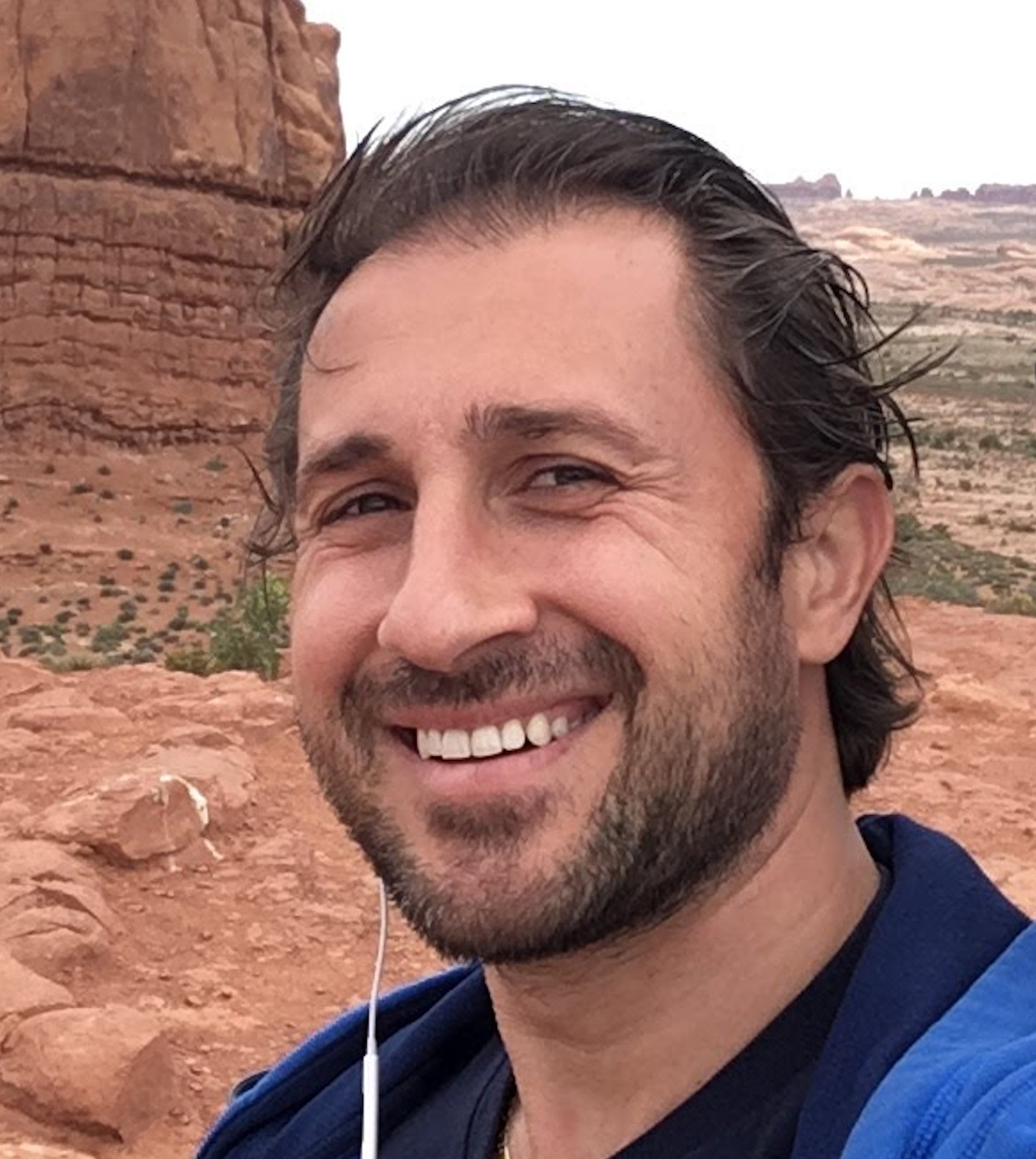
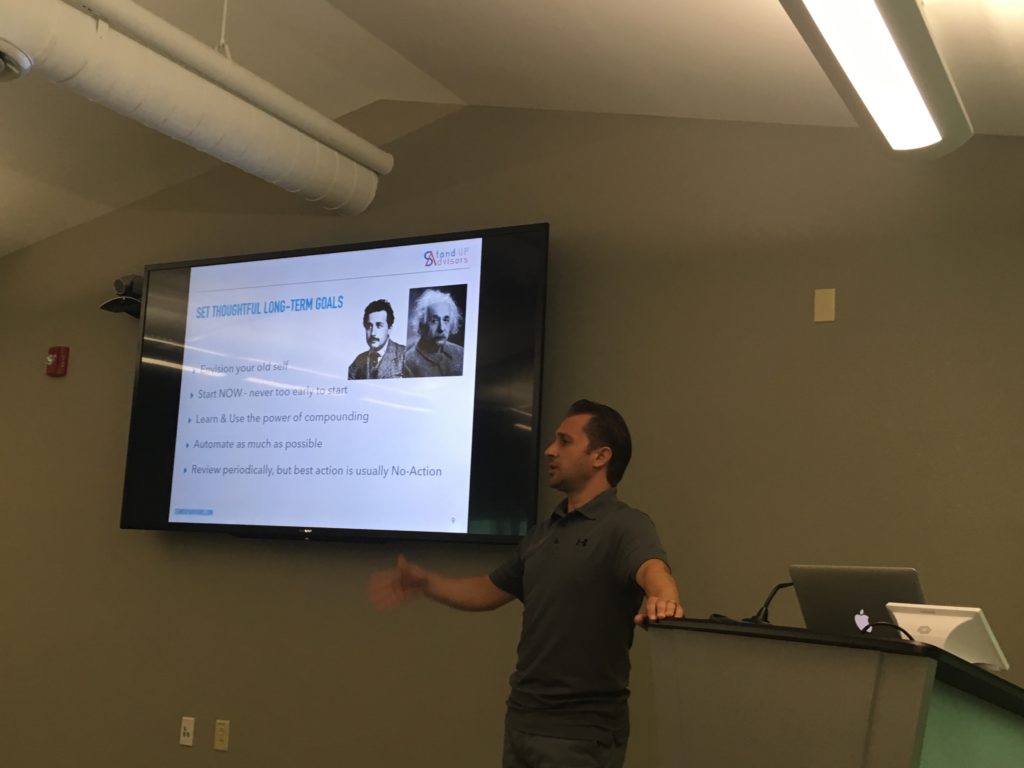
Most financial advice exists to sell you something. I built StandUP Advisors to do what the name says — stand up for the people who don't have the time, training, or appetite to fight an industry built to confuse them. Independent, fee-only, no commissions, no products. Twenty years inside that system showed me what was wrong. The last ten have been spent building what should replace it.
StandUP Advisors is a registered investment adviser. That means I'm held to a fiduciary standard 100% of the time, on every recommendation — no exceptions, no fine print. I charge you directly. I don't take commissions, I don't sell products, and I don't earn anything if you buy or sell a specific security.
Integrity doesn't need a cop. Fiduciary duty shouldn't be a differentiator — it should be the floor.
Every plan is built around your actual life — kids, parents, taxes, the business you're trying to sell, the move to Mexico you've been thinking about for ten years — not against a generic 30-year retirement projection that assumes you live in someone else's life. If a strategy is too complex for you to understand in plain language, I'm doing my job badly. Simplicity compounds. Complexity corrodes. That's a rule, not a slogan.
Not as a vacation — as fieldwork. Two years of kitchen-table conversations with entrepreneurs, ranchers, retirees, contractors, artists, and founders. A version of the same picture in every state: someone with the assets to stop working, no clear sense of whether they should, and nobody honest enough to walk them through the answer. Same question, twenty different ways:
"I have the money. Now what?"
That trip became this firm. Every service tier and every planning conversation traces back to one principle: money should fund the life you actually want, not replace it. The full origin story →
I grew up in communist Albania waiting in bread lines as a kid — bread, meat, milk, whatever was scarce that day, sometimes eight hours for nothing. When the regime fell in the early '90s, what came next was worse for most families I knew: pyramid schemes paying 200% in three months that collapsed and wiped out savings, sold homes, sold livestock. Three days of lawlessness followed. Kids on the streets with AK-47s. I left for the U.S. at seventeen.
That's where my view on money comes from. It's not theoretical. Bad financial decisions made by people who weren't given the literacy to know better don't just hurt portfolios — they destabilize entire lives, and sometimes entire countries.
Three things shape every plan I build, because they shape how I actually live:
Simplicity over complexity. Elegant solutions outperform sophisticated ones in money the same way they do in life. If a strategy requires constant adjustment or a spreadsheet you don't understand, it's not a strategy — it's a hobby. Simplicity compounds. Complexity corrodes.
Purpose over performance. Wealth is a tool, not a scoreboard. The question that matters isn't "what return did I get last year" — it's whether the money is pointed at the life you actually want. I'd rather hear that a client took the sabbatical they'd been talking about for ten years than that they beat the S&P by 80 basis points.
Stoic in the long run. Long-term thinking, low fixed costs, mobility, and a portfolio I can hold through a 30% drawdown without checking it daily. Same operating system I apply to plans, applied to my own life. Married, with two daughters — and most of the discipline on this list traces back to them.
The intellectual model behind all of it is Leonardo da Vinci — the polymath who saw connections across domains and translated complexity into images people could actually use. That's the same job a real advisor does. It's also why the firm's diagnostic tool is named after him.
Maryland is the regulatory home and where most long-tenure client relationships are. I spend significant time in Playa del Carmen because the cost of a thoughtful, minimalist life there is roughly half what the same life costs in the U.S. — which lets me work with fewer clients more deeply instead of running a high-volume practice nobody benefits from. Same principle I apply to portfolios: optimize for what matters, eliminate what doesn't, ignore what the industry says you're supposed to want.
Three ways in. Take the 10-minute diagnostic, read one month of Field Notes, or book a 30-minute call. No pitch, no pressure, no email gate.